Thousands of objective questions across all subjects have been prepared by expert teams to help UGC NET aspirants. Ye question banks 2026 ke exam format ke hisab se design kiye gaye hain aur bilkul essential hain for thorough preparation.
Table of Contents
- UGC NET 2026 Exam Structure Overview
- Paper-wise Breakdown and Question Distribution
- Paper I: Teaching and Research Aptitude
- Paper II: Subject-Specific Questions
- UGC NET 2026 Exam Dates and Registration
- Qualifying Marks and Cutoff Trends
- Effective Question Bank Utilization Strategy
- Why These Question Banks Are Essential
- Digital vs Physical Practice
- Subject-specific Question Bank Features
- Final Preparation Timeline
Key Takeaways
- UGC NET 2026 Exam Structure Overview
- Paper-wise Breakdown and Question Distribution
- Paper I: Teaching and Research Aptitude
- Paper II: Subject-Specific Questions
- UGC NET 2026 Exam Dates and Registration
Read more: UGC NET — Complete Guide
UGC NET 2026 ki preparation karte waqt students ka sabse common doubt yeh hota hai – exam mein kaisi questions aayengi aur kya main unhe solve kar paunga? The official NTA UGC NET portal provides sample papers, but these comprehensive question banks will give you the real edge you need.
UGC NET 2026 Exam Structure Overview
The UGC NET exam ab sirf do papers mein conduct hota hai – Paper I (General) aur Paper II (Subject-specific). Yeh change 2018 mein implement hua tha when Paper III was removed from the pattern.
| Exam Overview | Details |
|---|---|
| Total Duration | 3 hours (180 minutes) |
| Total Questions | 150 questions |
| Total Marks | 300 marks |
| Exam Mode | Computer Based Test (CBT) |
| Frequency | Twice yearly (June & December) |
Source: University Grants Commission (UGC), as per official notification
Source: University Grants Commission (UGC), as per official notification
Paper-wise Breakdown and Question Distribution
Understanding the exact paper structure is crucial for effective preparation. Here’s the detailed breakdown:
| Paper | Questions | Marks | Duration |
|---|---|---|---|
| Paper I (General) | 50 questions | 100 marks | 1 hour |
| Paper II (Subject) | 100 questions | 200 marks | 2 hours |
| Total | 150 questions | 300 marks | 3 hours |
Paper I: Teaching and Research Aptitude
Paper I covers general topics related to teaching methodology aur research aptitude. Yeh paper sabke liye common hota hai, regardless of your chosen subject.
|
Paper
|
Topic
|
|
Paper
1 |
General
Awareness |
|
Paper
2 |
Questions
From Selected Subject |
|
Paper
3 |
Questions
From Selected Subject |
Source: University Grants Commission (UGC), as per official notification
|
Paper
|
Topic
|
Total Questions
|
Marks
|
Time Given
|
|
Paper
1 (General Awareness) |
Reasoning
ability Comprehension
reading Mental
ability General
awareness |
60
|
2
marks each |
75
min (1 hr
15 min) |
Key topics include teaching methodology, research aptitude, reading comprehension, communication, mathematical reasoning, logical reasoning, data interpretation, information and communication technology (ICT), people and environment, aur higher education system. Most students find Paper I challenging because topics are diverse aur require consistent practice.
Paper I Preparation Strategy – Worked Example
Let’s take a practical example of how to approach Paper I systematically:
Month 1-2: Teaching Aptitude (15-20 questions expected)
– Study different teaching methods, learning theories
– Practice questions on classroom management, evaluation techniques
– Focus on educational psychology concepts
Month 2-3: Research Aptitude (5-10 questions expected)
– Understand research methodology, types of research
– Learn about sampling techniques, data collection methods
– Practice questions on hypothesis formation, research design
Month 3-4: Quantitative sections (15-20 questions expected)
– Mathematical reasoning: Number series, coding-decoding
– Data interpretation: Tables, graphs, charts analysis
– Logical reasoning: Syllogisms, analogies, classifications
|
Paper
|
Topic
|
Total
questions
|
Marks
|
Time given
|
|
Paper
2 (chosen by candidate) |
Multiple
choice questions |
50
|
2
marks each |
75
min (1 hr
15 min) |
Paper II: Subject-Specific Questions
Paper II is completely based on your chosen subject. NTA offers 83 subjects for UGC NET, ranging from traditional subjects like English Literature, Hindi, Mathematics to modern subjects like Computer Science, Environmental Science, aur Mass Communication.
|
Paper
|
Topic
|
Total questions
|
Marks
|
Time given
|
|
Paper 3 {Subject selected (choice)}
|
Questions from the selected subject
|
75
|
2 marks each
|
150 min
|
Subject-wise Preparation Insights
Based on **previous year** (2024-2025) analysis, here are key insights for popular subjects:
Computer Science: Programming concepts (25-30%), Data Structures (20-25%), Database Management (15-20%), Computer Networks (10-15%), Software Engineering (10-15%)
English Literature: Literary History (30%), Poetry Analysis (25%), Prose and Fiction (20%), Drama (15%), Literary Criticism (10%)
Commerce: Accounting (25%), Business Statistics (20%), Economics (20%), Management (20%), Marketing (15%)
UGC NET 2026 Exam Dates and Registration
For 2026, the exam schedule will be announced by NTA on the official UGC NET portal. Typically, June session registration starts in March-April, while December session registration opens in September-October.
Keep checking the official website for notification release. The exam usually happens in the second week of June aur first week of December.
Qualifying Marks and Cutoff Trends
Understanding cutoff trends helps set realistic targets. **Historical** cutoff data from recent years shows:

|
|
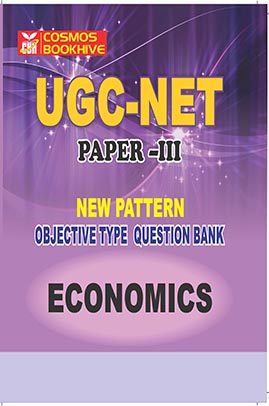 |
UGC-NET Paper-III Objective Type Question Bank Economics (New Pattern) By Cosmos Bookhive
Rs 119.00
MRP 170.00 INR . |
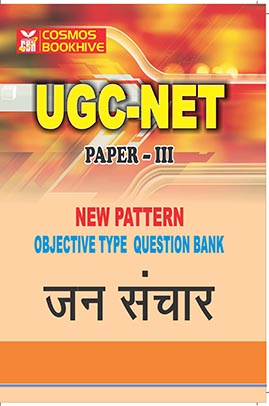 |
UGC-NET Paper-III Objective Type Question Bank Jan Sanchar (New Pattern) By Cosmos Bookhive
Rs 140.00
MRP 200.00 INR . |
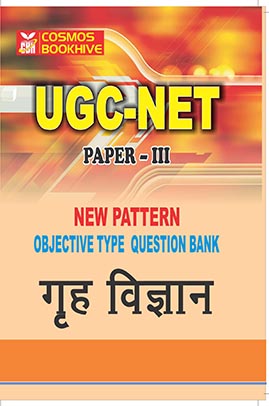 |
UGC-NET Paper-III Objective Type Question Bank Grih Vigyan (New Pattern) By Cosmos Bookhive
Rs 140.00
MRP 200.00 INR . |
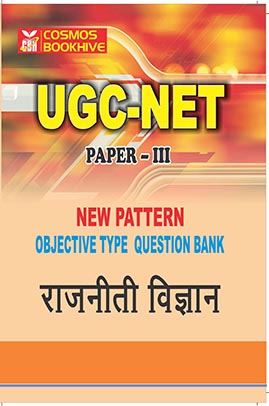 |
UGC-NET Paper-III Objective Type Question Bank Rajniti Shastra (New Pattern) By Cosmos Bookhive
Rs 140.00
MRP 200.00 INR . |
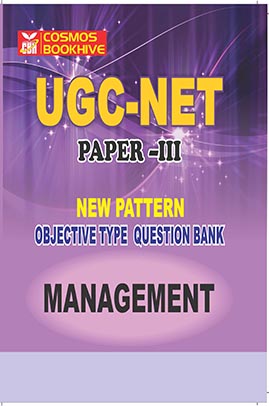 |
UGC-NET Paper-III Objective Type Question Bank Management (New Pattern) By Cosmos Bookhive
Rs 119.00
MRP 170.00 INR . |
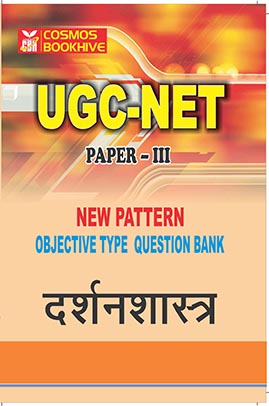 |
UGC-NET Paper-III Objective Type Question Bank Darshanshastara (New Pattern) By Cosmos Bookhive
Rs 119.00
MRP 170.00 INR . |
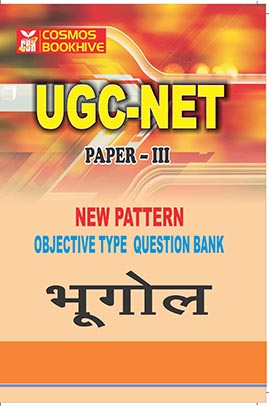 |
UGC-NET Paper-III Objective Type Question Bank Bhugol (New Pattern) By Cosmos Bookhive
Rs 119.00
MRP 170.00 INR . |
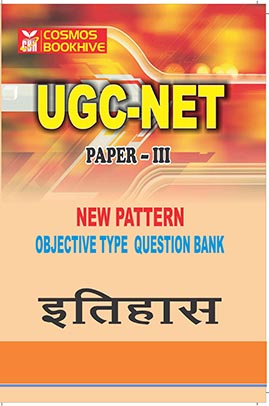 |
UGC-NET Paper-III Objective Type Question Bank Itihas (New Pattern) By Cosmos Bookhive
Rs 119.00
MRP 170.00 INR . |
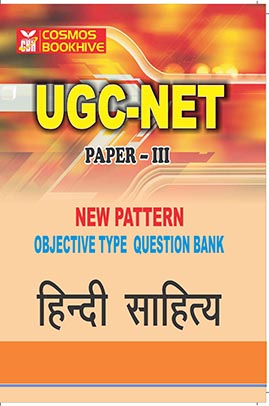 |
UGC-NET Paper-III Objective Type Question Bank Hindi Litrature (New Pattern) By Cosmos Bookhive
Rs 119.00
MRP 170.00 INR . |
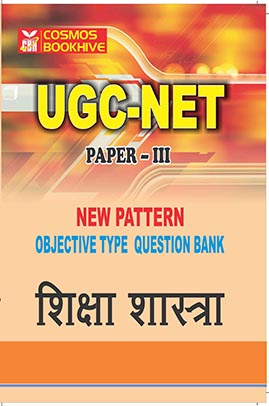 |
UGC-NET Paper-III Objective Type Question Bank Shiksha Shastra (New Pattern) By Cosmos Bookhive
Rs 119.00
MRP 170.00 INR . |
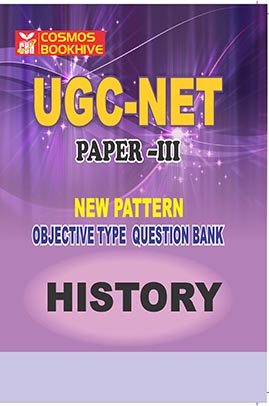 |
UGC-NET Paper-III Objective Type Question Bank History (New Pattern) By Cosmos Bookhive
Rs 119.00
MRP 170.00 INR . |
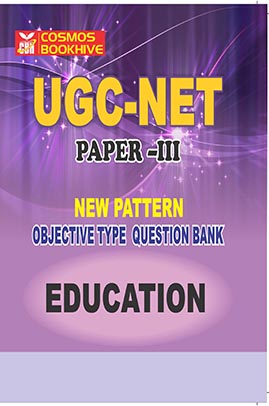 |
UGC-NET Paper-III Objective Type Question Bank Education (New Pattern) By Cosmos Bookhive
Rs 119.00
MRP 170.00 INR . |
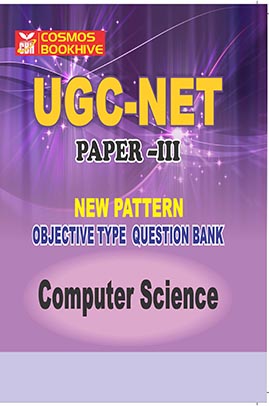 |
UGC-NET Paper-III Objective Type Question Bank Computer Science (New Pattern) By Cosmos Bookhive
Rs 119.00
MRP 170.00 INR . |
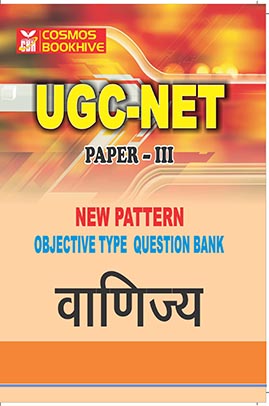 |
UGC-NET Paper-III Objective Type Question Bank Vanijya (New Pattern) By Cosmos Bookhive
Rs 119.00
MRP 170.00 INR . |
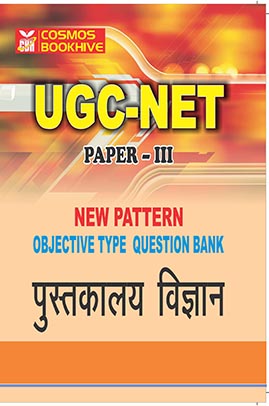 |
UGC-NET Paper-III Objective Type Question Bank Pustakalaya Vigyan (New Pattern) By Cosmos Bookhive
Rs 119.00
MRP 170.00 INR . |
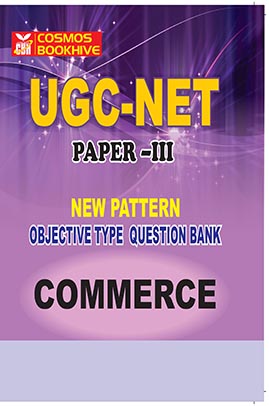 |
UGC-NET Paper-III Objective Type Question Bank Commerce (New Pattern) By Cosmos Bookhive
Rs 119.00
MRP 170.00 INR . |
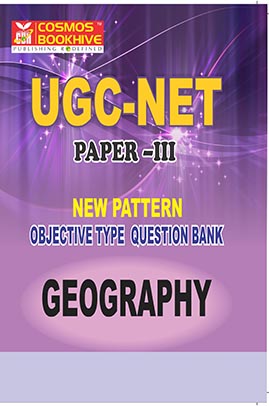 |
UGC-NET Paper-III Objective Type Question Bank Geography (New Pattern) By Cosmos Bookhive
Rs 119.00
MRP 170.00 INR . |
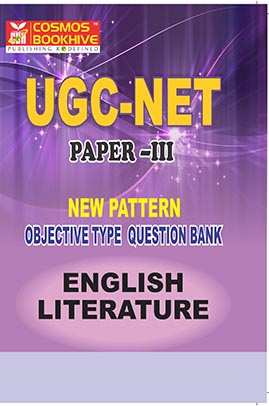 |
UGC-NET Paper-III Objective Type Question Bank English Litrature (New Pattern) By Cosmos Bookhive
Rs 119.00
MRP 170.00 INR . |
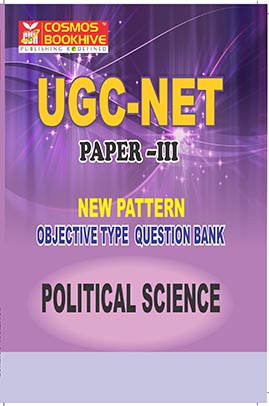 |
UGC-NET Paper-III Objective Type Question Bank Political Science (New Pattern) By Cosmos Bookhive
Rs 119.00
MRP 170.00 INR . |
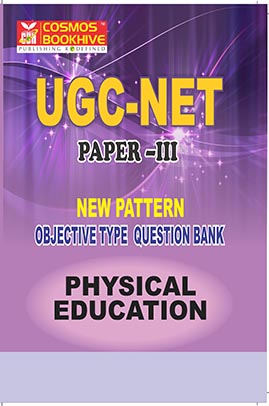 |
UGC-NET Paper-III Objective Type Question Bank Physical Education (New Pattern) By Cosmos Bookhive
Rs 119.00
MRP 170.00 INR . |
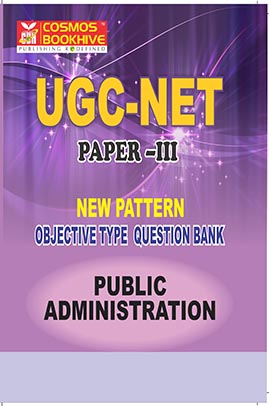 |
UGC-NET Paper-III Objective Type Question Bank Public Administration (New Pattern) By Cosmos Bookhive
Rs 119.00
MRP 170.00 INR . |
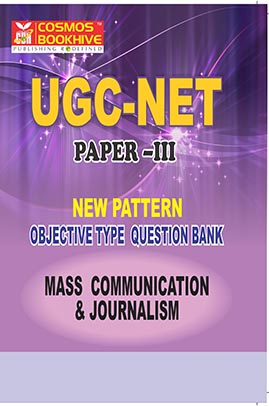 |
UGC-NET Paper-III Objective Type Question Bank Communication And Journalism (New Pattern) By Cosmos Bookhive
Rs 119.00
MRP 170.00 INR . |
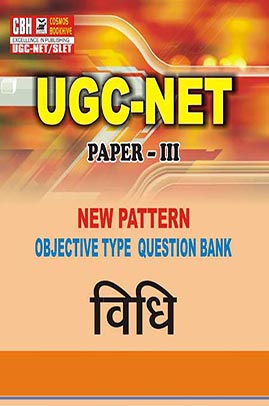 |
UGC-NET Paper-III Objective Type Question Bank Vidhi (New Pattern) By Cosmos Bookhive
Rs 119.00
MRP 170.00 INR . |
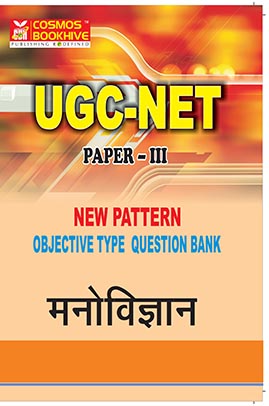 |
UGC-NET Paper-III Objective Type Question Bank Manovigyan (New Pattern) By Cosmos Bookhive
Rs 119.00
MRP 170.00 INR . |
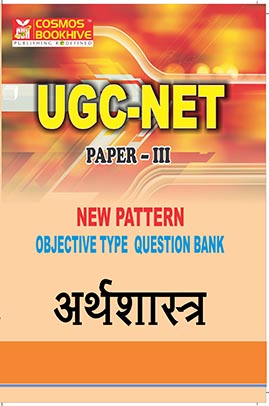 |
UGC-NET Paper-III Objective Type Question Bank Arthashastra (New Pattern) By Cosmos Bookhive
Rs 119.00
MRP 170.00 INR . |
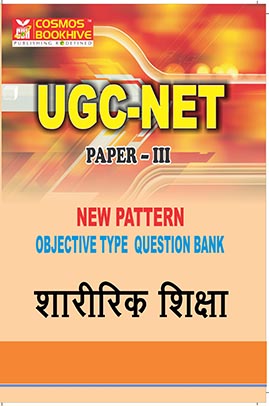 |
UGC-NET Paper-III Objective Type Question Bank Shariric Shiksha (New Pattern) By Cosmos Bookhive
Rs 119.00
MRP 170.00 INR . |
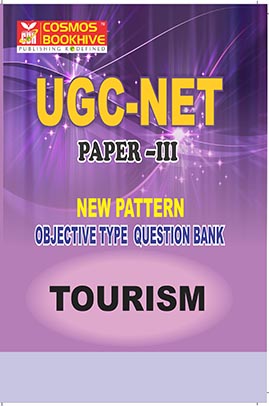 |
UGC-NET Paper-III Objective Type Question Bank Tourism (New Pattern) By Cosmos Bookhive
Rs 119.00
MRP 170.00 INR . |
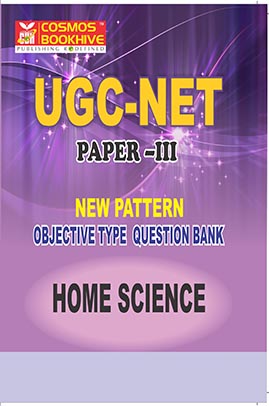 |
UGC-NET Paper-III Objective Type Question Bank Home Science (New Pattern) By Cosmos Bookhive
Rs 119.00
MRP 170.00 INR . |
 |
UGC-NET Paper-II And Paper-III Objective Type HRM (Human Resource Management) By Cosmos Bookhive
Rs 140.00
MRP 200.00 INR . |
Source: University Grants Commission (UGC), as per official notification
**Previous year** (2024) cutoffs varied significantly across subjects. For example, Computer Science had higher cutoffs (around 60-65%) compared to languages (45-50%). General category students typically need 40% aggregate with no minimum in Paper I, while OBC needs 35% aur SC/ST needs 30%.
Category-wise Qualifying Strategy
Here’s a practical action plan based on your category:
General Category: Target 65% overall (Paper I: 55%, Paper II: 70%)
OBC Category: Target 58% overall (Paper I: 50%, Paper II: 62%)
SC/ST Category: Target 52% overall (Paper I: 45%, Paper II: 55%)
Effective Question Bank Utilization Strategy
Simply solving questions randomly won’t help. Here’s how to use these question banks effectively:
Phase 1 – Topic-wise Practice (Months 1-3):
Complete syllabus study parallel with topic-wise questions. Don’t jump to mixed questions until individual topics are clear.
Phase 2 – Mixed Practice (Months 4-5):
Start solving mixed questions from different topics. This builds your ability to switch between concepts quickly.
Phase 3 – Full-length Tests (Last 2 months):
Take timed full-length tests. Analyze your performance, identify weak areas, aur focus on improvement.
Common Mistakes Students Make
From our analysis of student performance patterns, avoid these critical mistakes:
1. **Ignoring Paper I:** Many students focus only on their subject, but Paper I carries 100 marks and can make or break your qualification.
2. **Not timing practice:** UGC NET is a speed test. Practice with strict time limits from day one.
3. **Skipping revision:** Don’t keep solving new questions without revising previously solved ones.
Why These Question Banks Are Essential
These carefully curated question banks offer several advantages over random practice:
Pattern Familiarity: Questions are designed to match the exact UGC NET pattern aur difficulty level. You’ll face similar question types in the actual exam.
Comprehensive Coverage: All topics from the official syllabus are covered with adequate question distribution.
Difficulty Progression: Questions are arranged from basic to advanced level, helping you build confidence gradually.
Expert Curation: Subject matter experts have prepared these questions based on **previous year** trends and examination patterns.
Digital vs Physical Practice
Since UGC NET is a computer-based test, practicing on digital platforms is crucial. However, don’t completely abandon pen-paper practice for rough work and calculations.
Use these question banks in both formats – solve online for CBT experience aur offline for deep conceptual understanding.
Subject-specific Question Bank Features
Each subject’s question bank includes:
– **Conceptual Questions:** Test your fundamental understanding
– **Application-based Questions:** Real-world problem-solving scenarios
– **Analytical Questions:** Higher-order thinking and analysis
– **Memory-based Questions:** Important facts, dates, and definitions
Integration with Official Resources
These question banks complement the official NTA resources perfectly. Use them alongside:
– Official sample papers from NTA website
– Previous year question papers (available on ugcnet.nta.ac.in)
– Subject-wise syllabus documents
– Mock tests from official sources
Explore Study Materials
Get comprehensive study materials, practice tests, and expert guides for your exam preparation.
Final Preparation Timeline
Here’s a month-by-month breakdown for optimal preparation:
6 months before exam: Complete syllabus coverage with basic question practice
4 months before: Intensive question bank practice, topic-wise tests
2 months before: Full-length mock tests, weakness identification
1 month before: Revision, previous year papers, final touch-ups
Remember, consistency beats intensity. Daily practice with these question banks will build the confidence aur speed you need to crack UGC NET 2026.
Start your preparation today with these comprehensive question banks. They’re your stepping stone to becoming a qualified Assistant Professor or Junior Research Fellow. All the best for UGC NET 2026!